Why Oral Health is a Psychiatric Priority
While we frequently collaborate with primary care physicians, the dentist often remains the most isolated member of the care team—a gap in care that this course aims to close. It is vital to recognize that oral health is not merely cosmetic; it is a functional cornerstone of the human experience. When oral health is compromised, it triggers a significant domino effect across a patient's entire well-being. This includes impaired nutrition and digestion through difficulties with chewing and swallowing, as well as a breakdown in immune function, as the mouth serves as the primary gateway for antimicrobial defense. Furthermore, the psychological impact is profound; chronic oral pain frequently leads to heightened irritability, anxiety, and sleep deprivation, while speech and self-esteem remain intrinsically tied to oral comfort and social engagement.
Key Learning Pillars
This course moves beyond basic hygiene to look at the complex interplay between the brain, the body, and the "psychiatric toolbox." 1. The Saliva Connection & The Anticholinergic Burden Many of our primary medications cause xerostomia (dry mouth). We’ll explore why saliva is a clinical powerhouse—responsible for buffering acids, taste perception, and enamel repair—and how its absence escalates disease risk. 2. Neuroaffirmative & Trauma-Informed Perspectives Why does a neurodivergent child have a meltdown over a toothbrush? Why does a survivor of trauma avoid the dental chair? We dive into the sensory and cognitive factors that make oral care a hurdle for many patients. 3. Functional ADLs vs. Psychiatric Symptoms We examine how untreated symptoms, like the amotivation of depression or the sensory sensitivities of autism, directly impair activities of daily living. You will learn strategies to help patients (and parents) navigate these daily routines. 4. The Pain-Psychosis Loop Oral pain can mimic or worsen psychiatric irritability and social withdrawal. We’ll teach you how to differentiate between a behavioral outburst and a cry for help regarding physical dental distress.
_Fotor.png)
Assessment Skills
earn how to screen for oral side effects during routine psychiatric evals.
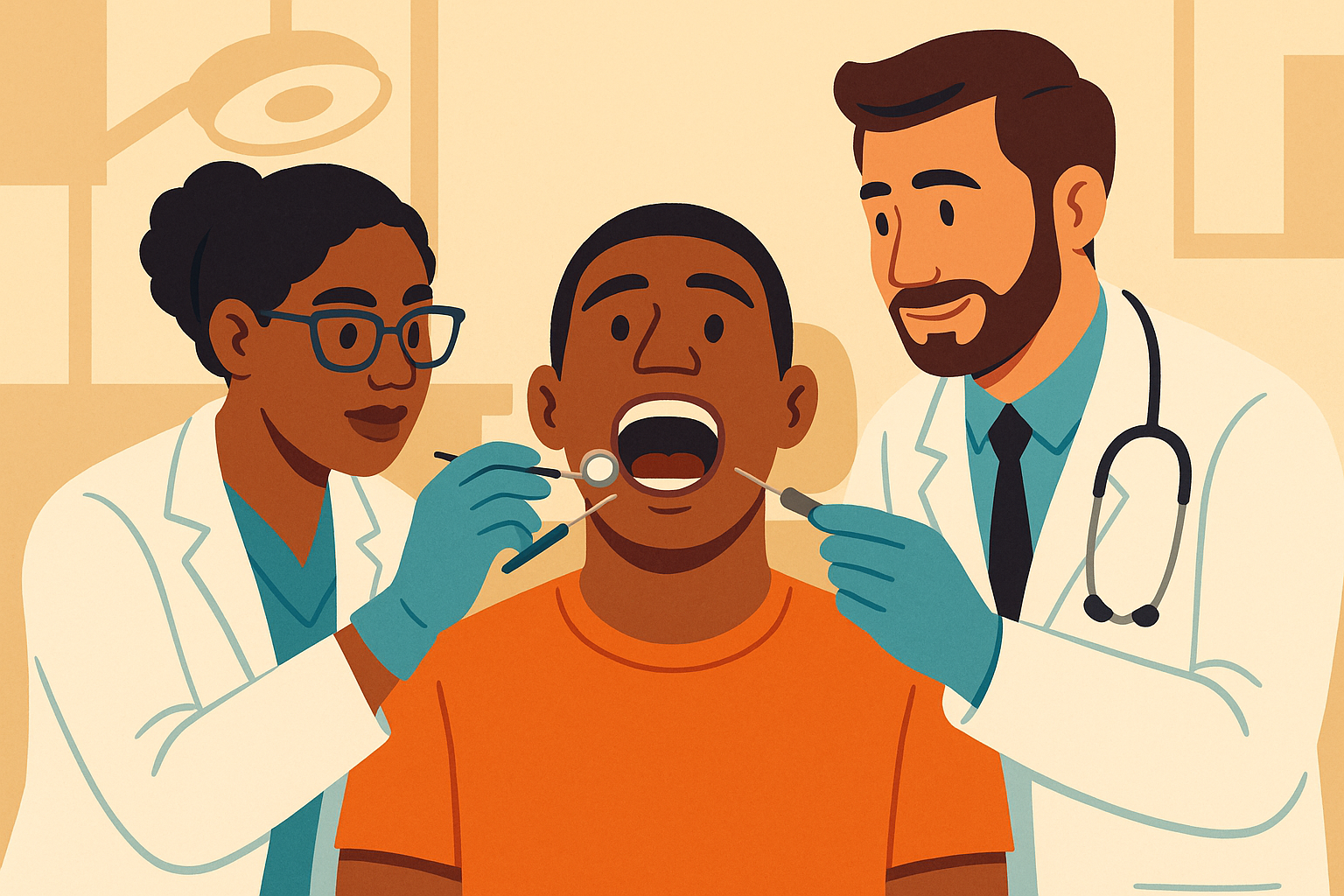
Interdisciplinary Advocacy
Understand how to communicate effectively with dental professionals.
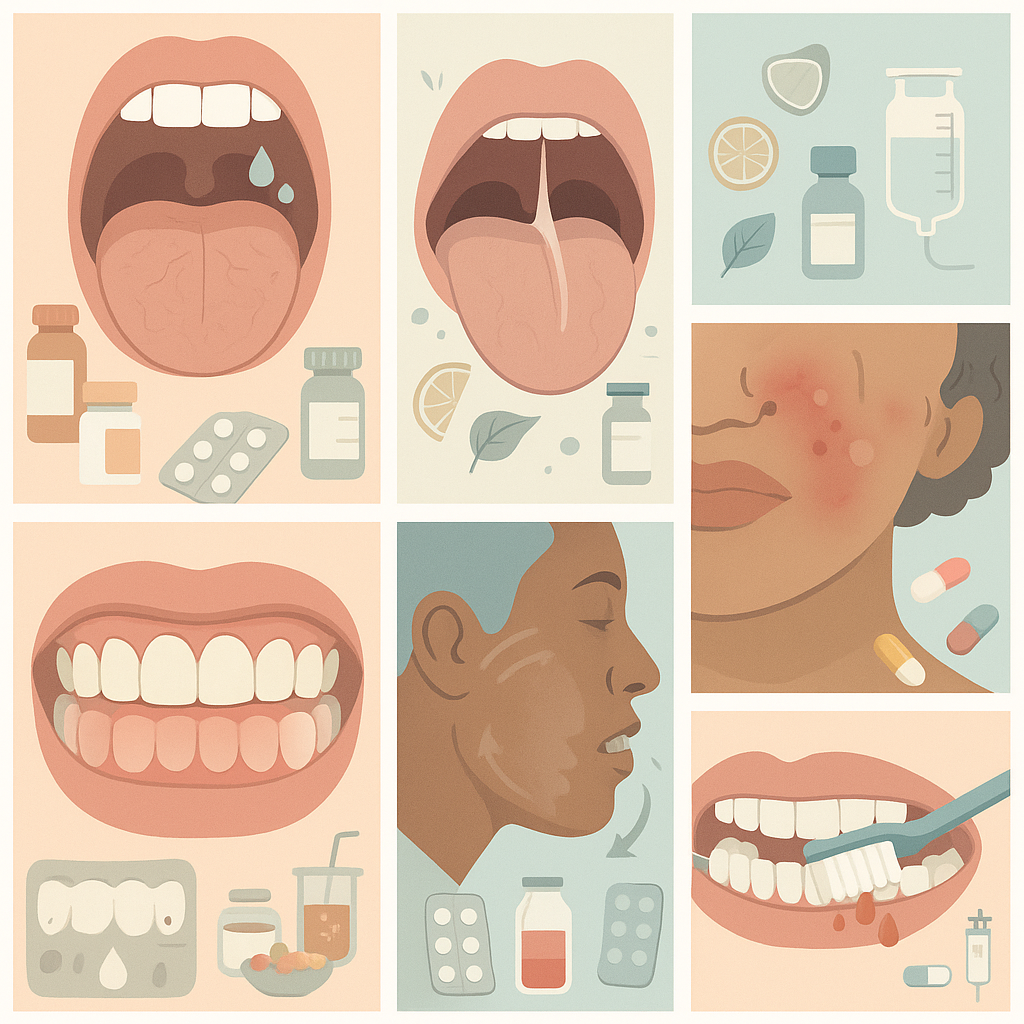
Patient-Centered Strategies
Practical tips for improving oral hygiene in patients with sensory processing differences or executive dysfunction.
Meet Your Instructor

Hi, I’m Maria Ingalla. I want to start with a brief disclaimer: I am not a dentist. I am a mental health clinician who, like many of you, was trained to prioritize life-threatening systemic side effects while the "smaller" details often fell through the cracks. But in my practice, I kept seeing the same undeniable pattern: psychiatric medications and mental health conditions don't stop at the neck. From the persistent discomfort of xerostomia (dry mouth) and the structural impact of bruxism (clenching) to increased bleeding risks and infection concerns, these are not "minor" side effects. They are functional barriers that directly shape patient comfort, medication adherence, and long-term systemic health. Most of us were never formally trained to integrate oral health into our prescribing or monitoring protocols. That gap in our education is real, but it is also fixable. I created this course to translate complex oral-systemic links into practical, clinical action. My goal is to help you feel confident in spotting risks early, facilitating trauma-informed conversations about self-care, and collaborating effectively with our colleagues in dentistry. Let’s expand the boundaries of psychiatric care and bridge this gap together.
Course Curriculum
-
-
(Included in full purchase)
How to use this course
-
This is a course brought to you by Paperflower Institute Free preview
-
(Included in full purchase)
Meet Your Course Instructor!
-
Psychiatric Medications and Dental Health Free preview
-
(Included in full purchase)
-
-
(Included in full purchase)
Understanding the Basics
-
(Included in full purchase)
The Mental Health & Oral Health Intersection
-
(Included in full purchase)
Systemic vs. Local Effects
-
(Included in full purchase)
Classes of Psychiatric Medications and Dental Implications
-
(Included in full purchase)
-
-
(Included in full purchase)
Common Dental Issues Linked to Medications
-
(Included in full purchase)
Xerostomia (Dry Mouth)
-
(Included in full purchase)
Dental Caries
-
(Included in full purchase)
Periodontal Disease
-
(Included in full purchase)
Taste Disturbances
-
(Included in full purchase)
Lamictal and Oral Ulcers
-
(Included in full purchase)
Bruxism
-
(Included in full purchase)
Gingival Hyperplasia
-
(Included in full purchase)
Other Concerns
-
(Included in full purchase)
Long-term Consequences
-
(Included in full purchase)
Considerations of Prescribing
-
(Included in full purchase)
Medication Risk Table
-
(Included in full purchase)
-
-
(Included in full purchase)
Daily Oral Care Strategies
-
(Included in full purchase)
Lifestyle and Diet Considerations
-
(Included in full purchase)
When to Refer
-
(Included in full purchase)
The Art of Collaboration
-
(Included in full purchase)
-
-
(Included in full purchase)
Behavioral and Psychiatric Factors Affecting Oral Health
-
(Included in full purchase)
Executive Dysfunction & Interoception, and Daily Oral Care
-
(Included in full purchase)
Oral Stimming, Jaw Proprioception, and Oral Health
-
(Included in full purchase)
ARFID + Oral Health
-
(Included in full purchase)
Sensory Issues & Oral Health
-
(Included in full purchase)
Predictability, Fear of Change, and Dental Care Engagement
-
(Included in full purchase)
Accommodations
-
(Included in full purchase)
-
-
(Included in full purchase)
Case Example # 1
-
(Included in full purchase)
Analysis of Case # 1
-
(Included in full purchase)
Case Example #2
-
(Included in full purchase)
Analysis of Case #2
-
(Included in full purchase)
-
-
(Included in full purchase)
Impact on Dental Health: Common Dental Issues Linked to Medications
-
(Included in full purchase)
Future Considerations: Emerging Research
-
(Included in full purchase)
-
-
(Included in full purchase)
[Caregiver's Guide] A Parent's Guide to Meds and Mouth Health
-
(Included in full purchase)
[Caregiver's Guide] Supporting Nutrition, Mental Health, and Oral Health
-
(Included in full purchase)
[Caregiver's Guide] When Toothbrushing is Hard for ND Kids
-
(Included in full purchase)
[Caregiver's Guide] Quick‑Action Toolkit Eating, Mood, and Oral Health
-
(Included in full purchase)
[Caregiver's Guide] Quick-Glance Guide for Parents Dental Side Effects of Psychiatric Medications
-
(Included in full purchase)
[Patient's Guide] Daily Oral Care Strategies A Practical Guide for Everyday Health
-
(Included in full purchase)
[Patient's Guide] Psychiatric Medications and Your Dental Health
-
(Included in full purchase)
[Patient's Guide] Seeking Professional Help When Oral Health Falls Through the Cracks
-
(Included in full purchase)
[Patient's Guide] Psychiatric Medications and Your Dental Health: A Patient-Friendly Guide
-
(Included in full purchase)
[Patient's Guide] Visual Schedule: How To Brush Your Teeth
-
(Included in full purchase)
[Patient's Guide] Sensory Accommodations in Teeth Care
-
(Included in full purchase)
[Healthcare Worker's Guide] How Can We Help Our Patients With Bruxism A Practical Guide for Healthcare and Dental Professionals
-
(Included in full purchase)
[Healthcare Worker's Guide] Oral Health Risk Assessment in Psychiatric Practice
-
(Included in full purchase)
[Healthcare Worker's Guide] Psychiatric Medications and Oral Health: Three Key Areas to Screen
-
(Included in full purchase)
[Healthcare Worker's Guide] Oral Health Through the Lifespan: A Collaborative Guide for Healthcare and Dental Teams
-
(Included in full purchase)
Ready to integrate oral systemic health into your practice?
Enroll now and gain the insight needed to protect your patients’ oral health while prescribing and monitoring psychiatric medications.
$150.00